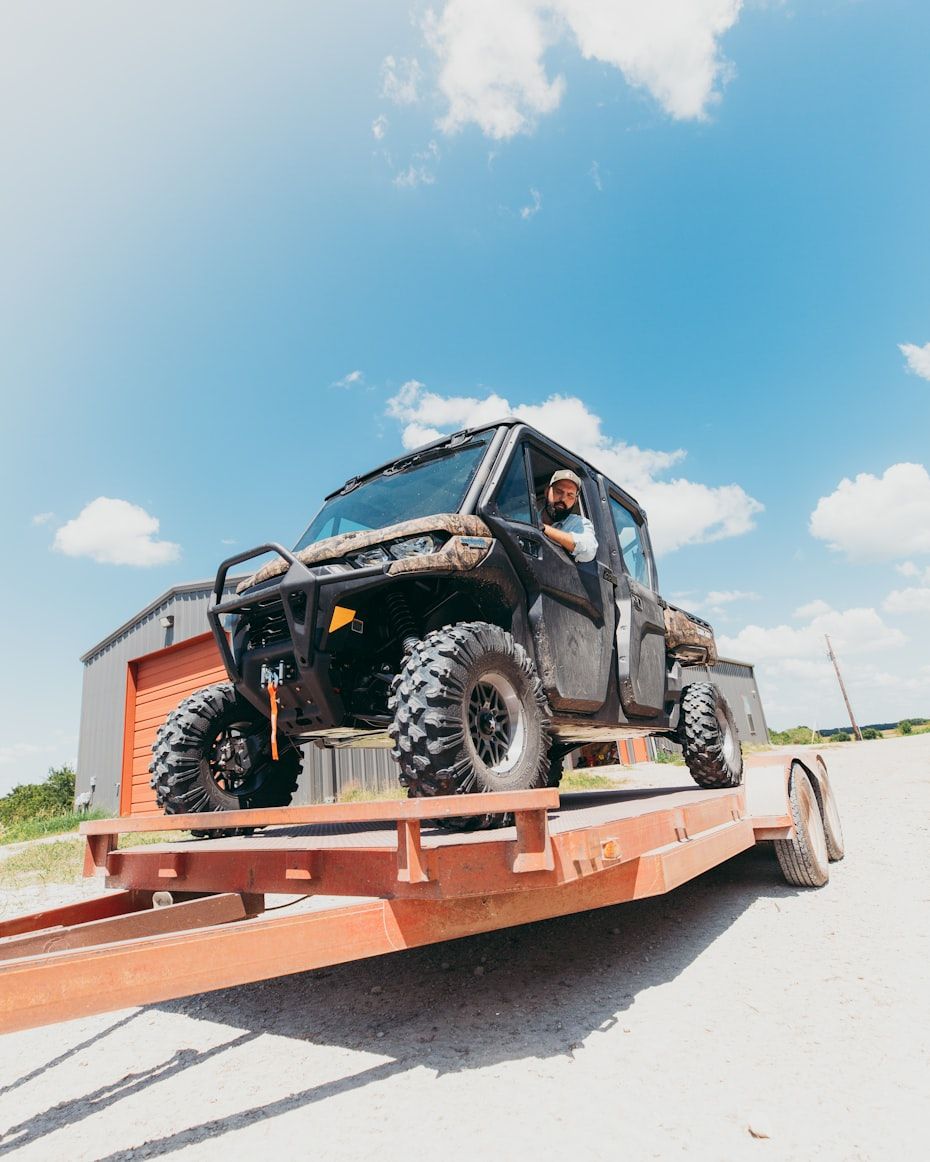
When it comes to modern farming, the need for efficiency and versatility is greater than ever. Farmers today face a multitude of tasks that require heavy-duty equipment, but sometimes, the big machines are just not the right fit. That’s where All-Terrain Vehicles (ATVs) come into play. These adaptable vehicles are increasingly being used on farms to help streamline daily operations. In this article, we'll explore how ATVs are revolutionizing farming, what makes them so beneficial, and how they can be a valuable addition to your farm.
An All-Terrain Vehicle (ATV) is a small, off-road vehicle designed to carry one to two people across a variety of terrains. They have four large, knobby tires, a sturdy frame, and can be powered by either a gasoline or electric engine. Unlike traditional vehicles, ATVs are built to be used on rough terrain, making them the perfect choice for navigating farms, ranches, and other agricultural environments. With their ability to travel across uneven fields, muddy roads, and even hilly slopes, ATVs provide farmers with the mobility needed to reach places other vehicles can’t.
ATVs are incredibly popular in farming because they bring a variety of benefits that make them an indispensable tool. Here’s why they’re becoming so widely used:
For many farmers, ATVs are more affordable than larger farm machinery. While tractors and other large equipment are often essential for big jobs like plowing or planting, an ATV can handle many smaller tasks at a fraction of the cost. Not only is the initial purchase less expensive, but ATVs also tend to have lower maintenance and fuel costs.
ATVs can be used for a wide range of tasks. Whether you need to haul supplies, check fences, transport tools, or move livestock, an ATV can handle it. They’re useful for everything from spraying fields with pesticides to hauling small loads of hay. In addition, they can be outfitted with various attachments, such as trailers, plows, and spreaders, to increase their functionality.
One of the most important features of ATVs is their ability to maneuver in tight spaces. This is especially helpful on farms that have narrow paths, uneven terrain, or areas with dense vegetation. Unlike larger equipment, ATVs are nimble and can easily navigate through fields, orchards, and livestock pens, making it easier to get to hard-to-reach places.
Unlike larger farm machinery, which can leave a significant environmental footprint, ATVs tend to have a lighter impact on the land. They cause less soil compaction and can travel across fields without disturbing crops or the ground as much. Electric ATVs are also becoming more common, providing an even greener alternative for those concerned with sustainability.
Because they’re smaller and faster than traditional farm vehicles, ATVs can help farmers save time. Tasks that might have required walking long distances, such as checking crops or maintaining fences, can now be completed more quickly and comfortably. This means farmers can get more done in less time, leading to increased overall productivity.
ATVs can be used in a variety of ways to support farming operations. Here are some of the most common applications:
1. Crop Monitoring and Maintenance
Farmers can use ATVs to inspect their crops for signs of pests, diseases, or other issues. The ability to travel quickly through fields makes it easier to spot problems early, allowing for faster intervention. With the right attachments, ATVs can also be used to apply fertilizers, pesticides, or herbicides to crops, ensuring they stay healthy and productive.
For farms that raise livestock, ATVs are a huge help in managing animals. They can be used to move cattle from one pasture to another, round up animals for veterinary care, or transport feed and supplies to different areas of the farm. The speed and agility of ATVs make them ideal for working with livestock, especially in large or rugged pastures.
ATVs can be equipped with trailers or racks, allowing farmers to transport tools, feed, equipment, or harvested crops across their land. This is particularly useful on farms with uneven terrain, where traditional vehicles might struggle. The ability to haul goods across fields without the need for larger, fuel-guzzling vehicles saves both time and money.
4. Fence and Field Maintenance
Maintaining fences is an essential task on farms, especially those with livestock. ATVs make it easier to patrol fences for damage, perform repairs, and transport materials. Additionally, ATVs can be used for general field maintenance tasks, such as mowing or clearing brush, making sure that the land is in good condition for planting or grazing.
While ATVs themselves aren’t typically used for planting or harvesting on large-scale farms, they can support these activities by delivering supplies or assisting with smaller tasks. For instance, an ATV can be used to move harvested crops to the barn or to transport equipment needed for planting.
Not all ATVs are created equal, so it’s important to choose one that suits your specific farming needs. Here are a few things to consider when selecting an ATV for your farm:
ATVs come in a variety of sizes, and the right size for you will depend on your specific needs. If you’re hauling heavier loads, you’ll want an ATV with a higher payload capacity. Additionally, the size of the ATV should be suited to the terrain on your farm. A smaller, lighter ATV might be ideal for maneuvering through tight spaces, while a larger one might be needed for tougher terrains.
ATVs are available with both gasoline and electric engines. Gasoline-powered ATVs are more common and offer longer ranges and more power, making them a good choice for larger farms. Electric ATVs, while typically less powerful, are quieter, require less maintenance, and are more eco-friendly.
The versatility of an ATV is greatly enhanced by the attachments and accessories you can use with it. Consider what tools you’ll need to add to your ATV. For instance, if you need to haul heavy loads, look for an ATV with a suitable trailer or rack. If you need to plow or spread materials, choose an ATV with the necessary attachments to perform those tasks.
Farming can be tough on equipment, so it’s important to choose an ATV that is built to last. Look for models known for their durability, particularly in rough, muddy, or uneven conditions. It’s also a good idea to check the warranty and after-sales service options, so you’re covered if something goes wrong.
All-Terrain Vehicles are becoming an essential tool for many farmers due to their versatility, cost-effectiveness, and ability to navigate challenging terrains. Whether you’re looking to transport goods, monitor crops, or manage livestock, an ATV can help you complete tasks more efficiently. With the right model, your farm can benefit from the added mobility and productivity that an ATV provides, making it a worthy investment for the modern farmer.
By finally getting the right ATV for your farm, you can streamline operations, save time, and reduce costs, all while enhancing your farm’s overall performance. With their ability to tackle a wide range of tasks and improve efficiency, ATVs are undoubtedly an invaluable asset in the world of farming.