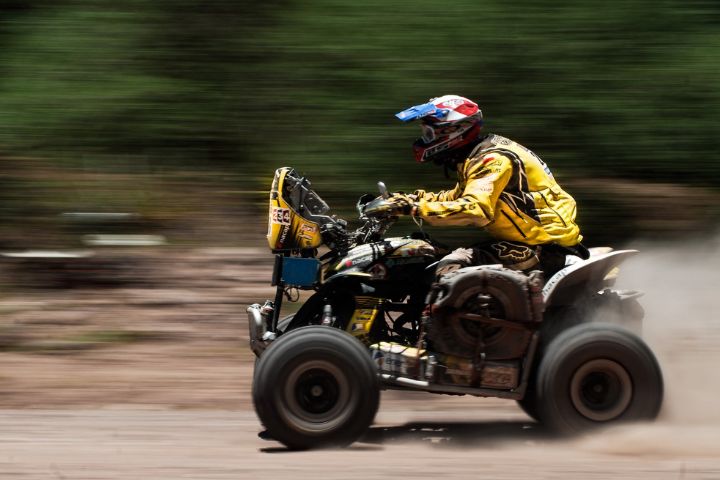
All-terrain vehicles (ATVs) have become increasingly popular for work and recreation. When considering the purchase of a used ATV, understanding used ATV values is crucial. The average cost of used ATVs can vary widely depending on several factors, making it essential for buyers and sellers to have a clear grasp of ATV prices in the current market.
This article delves into the key aspects that influence ATV value and guides in determining a fair price. It explores the various elements that impact used ATV values, offers tips to assess the worth of a pre-owned ATV, and shares advice for making a smart purchase. By the end, readers will have a comprehensive understanding of what to consider when dealing with used ATVs, enabling them to make informed decisions in the buying or selling process.
Factors Affecting Used Atv Values
Age and Model
Shop ATVs & UTVs For Sale
Browse current atvs & utvs from dealers near you — updated daily.
The age and model of an ATV significantly impacts its value. Newer models with the latest features tend to command higher prices, while older ones may be discounted. Brand-new ATVs with larger engines (400cc or greater) lose the most value in the first year, while smaller engines (250cc or less) depreciate most during the first 2-3 years.
Mileage and Condition
Mileage and overall condition are crucial factors in determining an ATV value. Lower mileage and well-maintained conditions generally result in higher worth. ATVs used for mud riding may have lower resale value compared to those used for light work on paved surfaces. Regular maintenance and proper care can slow depreciation and maximize value over time.