
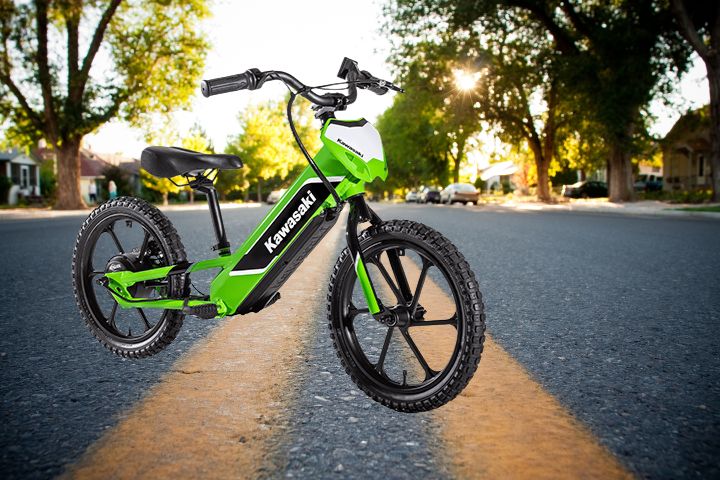
In an era where sustainability is becoming a cornerstone of new technological advancements, the Kawasaki Elektrode marks a significant leap forward for one of the most respected names in the motorcycle industry. As Kawasaki's foray into the burgeoning electric motorcycle market, the Elektrode blends Kawasaki's renowned performance pedigree with the eco-friendliness and efficiency of electric propulsion. This move not only highlights Kawasaki's commitment to innovation but also its response to the growing demand for environmentally conscious transportation options. The Kawasaki Elektrode is not just an entry-level motorcycle; it is a statement about the future of biking, offering a glimpse into how Kawasaki is redefining the riding experience for the next generation of motorcyclists.
This article delves into the key features and performance insights of the Kawasaki Elektrode, exploring everything from its powerful electric motor and long-lasting battery life to its innovative regenerative braking system and advanced rider assist technologies. With a design that is both sleek and aerodynamic, the Kawasaki electric motorcycle promises to be a frontrunner in the electric bike sector, appealing to both eco-conscious riders and those seeking the thrill of Kawasaki's top-speed capabilities. As we provide a comprehensive Kawasaki Elektrode review, readers will gain a holistic understanding of why this bike stands out in the competitive landscape of electric vehicles, and how it continues Kawasaki's legacy of engineering excellence.
POWERFUL ELECTRIC MOTOR
Elektrode Motor Specifications
The Kawasaki Elektrode is equipped with a 250-watt brushless in-wheel electric motor, designed to offer a quiet and maintenance-free riding experience. This motor's placement contributes to a low center of gravity, enhancing the motorcycle's balance and making it easier to steer and handle. The motor type is a brushless, in-wheel model, ensuring efficient power delivery without the complexity of external moving parts.