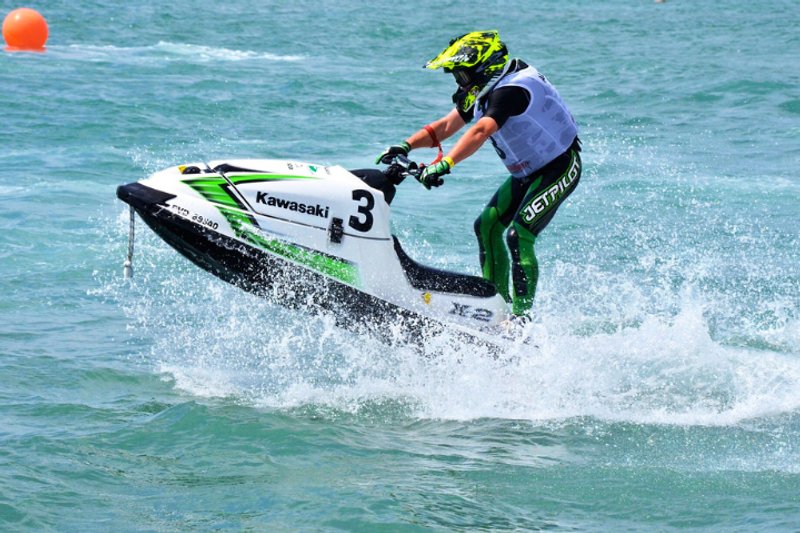
Personal watercraft (PWCs) have become increasingly popular for thrill-seekers and water enthusiasts alike. Choosing the right PWC can make a significant difference in one's enjoyment and safety on the water. Whether someone is a seasoned rider or a beginner looking for their first jet ski, understanding what to look for when buying a jet ski is crucial to making an informed decision.
This guide aims to help readers navigate the process of selecting the best personal watercraft for their needs. It will cover the different types of PWCs available, how to evaluate riding style and experience level, and key factors to consider when making a purchase. Additionally, it will provide insights on whether to opt for a new or used model, ensuring readers have all the information they need to choose the PWC that best suits their preferences and budget.
Personal watercraft (PWCs) have evolved significantly since their inception, offering a wide range of options to suit various preferences and needs. These vehicles, often referred to by brand names like Jet Skis, WaveRunners, or Sea-Doos, have become increasingly popular among water enthusiasts. To choose the right PWC, it's essential to understand the different types available and their unique characteristics.
The two primary categories of PWCs are stand-up and sit-down models, each offering distinct riding experiences.
Stand-up jet skis, the original creation by Clayton Jacobson II, were designed to recreate the thrill of dirt bike riding on water. These models are smaller, lighter, and more agile, typically measuring 85-95 inches in length and weighing between 300-400 pounds. Stand-up PWCs are ideal for riders seeking a physically demanding and exhilarating experience, allowing for impressive tricks, sharp turns, and jumps.
Sit-down models, on the other hand, were developed to cater to families and groups, offering a more relaxed and comfortable ride. These PWCs are larger, heavier, and provide more stability, making them easier to operate for beginners. Sit-down models can accommodate multiple passengers, typically seating two to three people, and offer more storage space.
Within the sit-down category, PWCs can be further classified based on their intended use and performance capabilities.
Rec-Lite models are designed for casual riders and beginners. These PWCs are compact, lightweight, and fuel-efficient, making them an excellent choice for those seeking a budget-friendly option. Rec-Lite jet skis typically have engines producing 60-100 horsepower, reaching top speeds of around 50 mph.
Performance models, such as the Kawasaki Ultra 310R and Yamaha GP1800R, cater to thrill-seekers and experienced riders. These PWCs feature more powerful engines, producing 200-300 horsepower and capable of reaching speeds over 70 mph. Performance models often incorporate advanced control systems, race-inspired handlebars, and precision steering for maximum control during high-speed maneuvers.
When choosing a PWC, it's crucial to consider the intended use and the number of passengers you plan to accommodate. Different models offer varying passenger capacities, which can significantly impact the riding experience and versatility of the watercraft.
Smaller models, such as stand-up jet skis, are designed for solo riders and offer superior agility and maneuverability. These PWCs are perfect for those who prioritize performance and enjoy active pursuits like tricks and racing.
Larger sit-down models can accommodate two to four passengers, making them ideal for family outings or group activities. These PWCs often provide better stability and comfort, allowing for activities such as towing rafts or wakeboarders.
Ready to find your perfect boat? Browse thousands of listings on SearchShop.com and connect with dealers and private sellers across the country.