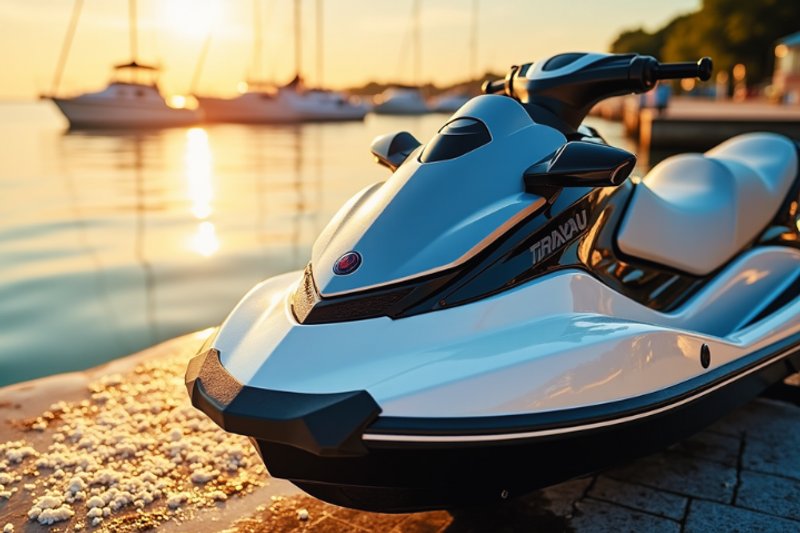
Rust damage hits PWC owners hard - costing around $2,500 in repairs each year. Bad corrosion can cut your watercraft's life in half.
Your investment deserves protection. PWC rust prevention is a vital part of ownership. Several options can shield your watercraft, from specialized rust prevention products to professional services. Many riders choose rust prevention wax to start their protection plan.
This piece will show you how to protect your watercraft from corrosion, whether you just bought your first PWC or you've been riding for years. You'll learn about maintenance techniques, protection points, and seasonal care strategies that will keep your PWC running smoothly.
Ready to learn how to protect your watercraft from rust? Let's get started!
PWC owners often underestimate how destructive corrosion can be. Let's look at the areas where your watercraft faces the biggest risks and how different environments can affect its lifespan.
Your PWC's most vulnerable spots include the engine compartment, electrical systems, and metal components. Research shows that saltwater can damage a PWC's electronics and metal parts by a lot if you don't address it. These corrosion-prone areas need your attention:
- Engine and exhaust components
- Electrical wiring connections
- Hull and deck hardware
- Metal fasteners and fittings
- Internal cooling systems
The water you ride in can speed up or slow down corrosion. Saltwater proves especially aggressive and acts as an excellent conductor that speeds up corrosion. Tests reveal that seawater conducts electricity by a lot better than freshwater, which makes corrosion worse in marine environments.
Spotting corrosion early helps prevent rust effectively in PWCs. Paint blistering on sharp edges below the waterline usually appears first, along with a white powdery substance on exposed metal areas. The affected metal surfaces develop deep pitting as corrosion advances.
Temperature makes a big difference - corrosion rates double with every 10°C/18°F increase. This makes regular checks vital during warmer months when PWCs see the most use.
Note that simple corrosion might take years to cause major damage, but galvanic corrosion can seriously harm your PWC in just months. Using proper rust prevention products and services early helps protect your investment.
Ready to find your perfect boat? Browse thousands of listings on SearchShop.com and connect with dealers and private sellers across the country.