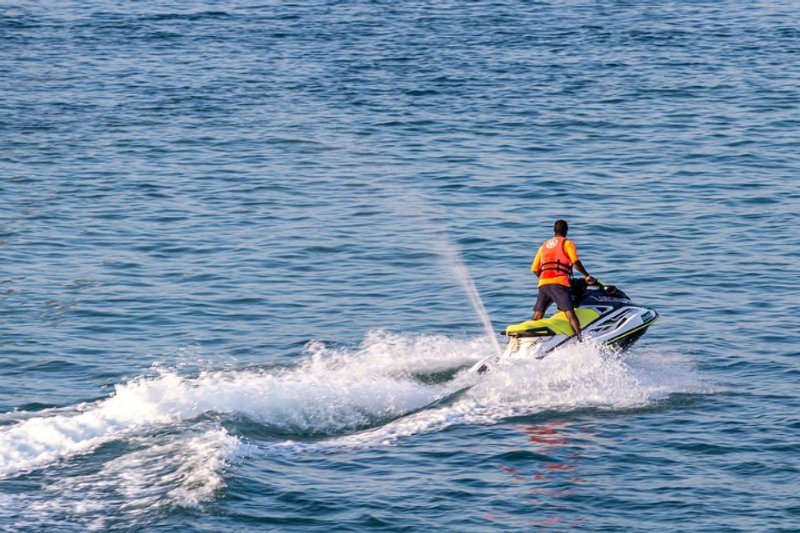
Personal watercraft (PWC) enthusiasts know that proper maintenance is key to enjoying their rides on the water. PWC maintenance has a significant impact on the longevity and performance of these popular water vehicles. From jet skis to other types of personal watercraft, owners often face common problems that can put a damper on their fun if not addressed promptly and correctly.
This article delves into the top PWC maintenance issues and provides practical solutions to resolve them. It covers common jet ski problems, including engine troubles, hull and body damage, and wear on moving parts. Additionally, it explores best practices to keep personal watercraft in top shape, helping owners to maximize their enjoyment and minimize downtime. By understanding these issues and how to tackle them, PWC enthusiasts can ensure their watercraft remain reliable and ready for adventure.
PWC maintenance often involves addressing engine issues that can arise during regular use. Understanding these problems is crucial for jet ski owners to keep their watercraft running smoothly. Here are some of the most common engine problems and how to resolve them:
Fuel system problems are among the most frequent issues encountered in personal watercraft. A leaky fuel cap can lead to fuel loss or water contamination in the tank. Owners should check the condition of their fuel cap regularly and replace it if necessary. Fuel delivery problems can cause the jet ski to low rev in the water or suddenly cut the engine at higher speeds. To address this, owners should check the cylinders, clean the fuel filter, inspect the fuel selector valve, and examine the spark plugs.
Electrical system failures can prevent a jet ski from starting or cause it to perform poorly. Loose battery cable connections can make starting and charging difficult. To resolve this, owners should clean, check, and tighten the battery cables. If the engine misfires or runs irregularly, it could be due to fouled, faulty, or worn spark plugs. Replacing the spark plugs can often solve this issue.
Overheating is a common problem that can cause significant damage to a PWC's engine. Several factors can contribute to overheating, including blockage of water flow, high temperatures, a defective thermostat, or a damaged exhaust system. To prevent overheating, owners should regularly check the cooling system, adjust riding speed during hot weather, and ensure the thermostat is functioning correctly.
HULL AND BODY DAMAGE
The hull and body of a personal watercraft (PWC) are susceptible to various types of damage that can impact its performance and longevity. Understanding these issues and knowing how to address them is crucial for proper PWC maintenance.
Cracks and dents in the hull can occur due to collisions or impacts with docks, rocks, or other objects. These damages can compromise the watercraft's structural integrity and lead to water leakage. For minor cracks, owners can often perform repairs using fiberglass and specialized epoxy fillers. However, extensive damage may require professional attention.
To repair small cracks, the process typically involves cleaning the damaged area, grinding a V-groove along the crack, and filling it with a suitable epoxy filler. After the filler cures, sanding and refinishing are necessary to restore the surface. For larger cracks or missing chunks, recreating the body line and using multiple layers of fiberglass may be required.
Gel coat damage is a common issue that affects the appearance and protection of PWCs. This outer layer can become scratched, chipped, or faded due to regular use, beaching, or improper storage.
Ready to find your perfect boat? Browse thousands of listings on SearchShop.com and connect with dealers and private sellers across the country.