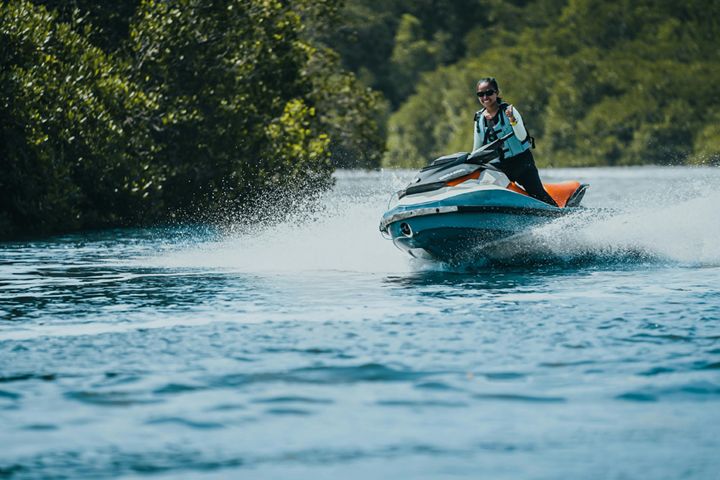
Choosing what to wear on a jet ski is crucial not only for comfort but also for safety on the water. With the right gear, riders can protect themselves from the elements, reduce the risk of injuries, and enhance their overall experience. This importance is magnified considering the dynamic and sometimes unpredictable nature of water sports. Knowing the essentials, including PWC safety equipment and appropriate attire, can make a significant difference in ensuring a safe and enjoyable ride.
This article will guide readers through the essential PWC gear, focusing on what to wear on a jet ski to maximize safety and comfort. From life jackets that are critical for safety to the best helmets for jet skiing designed to protect in case of falls, each piece of gear plays a pivotal role. Additionally, we will cover the importance of wetsuits, appropriate footwear, eye protection, and gloves—highlighting how each component contributes to a safer and more comfortable jet skiing experience. Whether you’re a seasoned rider or new to personal watercraft, this comprehensive overview will provide valuable insights into the necessary personal watercraft accessories and jet ski safety gear for your next adventure.
LIFE JACKET
Life Jacket Safety Features
Life jackets, also known as Personal Flotation Devices (PFDs), are critical for safety on the water. They are designed to keep the wearer afloat and can be the difference between life and death. The U.S. Coast Guard reports that a significant majority of boating fatalities occur because victims were not wearing a life jacket. These devices are equipped with various safety features, such as the ability to turn unconscious wearers face up in the water, ensuring their airways remain clear.
Life Jacket Fit and Comfort
Shop Boats For Sale
Browse current boats from dealers near you — updated daily.
A properly fitting life jacket is snug yet comfortable, ensuring it doesn't interfere with the wearer's ability to move freely. The life jacket must fit correctly around the chest and waist without being too tight or loose. Materials like nylon and neoprene are commonly used, providing durability and comfort. Neoprene, in particular, is form-fitting and offers additional warmth, making it a preferred choice in cooler conditions, though it can feel warmer in hot temperatures.
Life Jacket Regulations
Regulations regarding life jacket usage vary by location and activity, but compliance with these laws is crucial. For instance, federal law in the United States mandates that all recreational vessels carry a Coast Guard-approved life jacket for each person aboard. Moreover, children under 13 are required to wear life jackets at all times on moving vessels. Specific types of life jackets are designated for different activities and conditions, such as near-shore vests for calm waters and offshore life jackets for rougher, remote areas where rescue might be delayed.
WETSUIT
Wetsuits designed for jet skiing, like the Jettribe Jet Ski Wetsuits, are engineered for optimal comfort, flexibility, warmth, and mobility. The use of "S-Tek" neoprene improves stretch and durability, essential for the dynamic movements required in personal watercraft activities. These wetsuits come in various forms, including 2-piece sets, jackets, and johns, catering to both men and women, ensuring a fit and style for every rider.
Wetsuit Types for Jet Skiing
Jet ski wetsuits are available in several types, including full suits, spring suits, and separate jackets and johns. Each type is designed to offer different levels of coverage and warmth, making them suitable for various water temperatures and weather conditions. Ladies' specific wetsuits are also available, tailored to fit the female form for improved comfort and performance.
Wetsuit Thickness and Temperature
The thickness of a wetsuit is crucial as it directly correlates with the water temperature. Wetsuits are typically measured in millimeters, indicating the material's thickness. For instance, a 3/2 wetsuit has a 3 mm thick torso and 2 mm thick arms and legs, providing a balance between warmth and mobility. The choice of wetsuit thickness should be based on the water temperature, with thicker suits recommended for colder conditions to maintain core body heat and prevent hypothermia.
Wetsuit Care and Maintenance
Proper care and maintenance of a wetsuit can significantly ext