
When you start looking at pre-owned RVs, a used Lance travel trailer is one of those options that just makes sense. It’s less like buying a typical used car and more like getting a certified pre-owned luxury vehicle. You're getting that top-tier build quality and smart design, but at a price that’s much easier to swallow. For buyers who do their homework, it's an incredibly smart move.
Why a Used Lance Trailer Is Worth a Serious Look
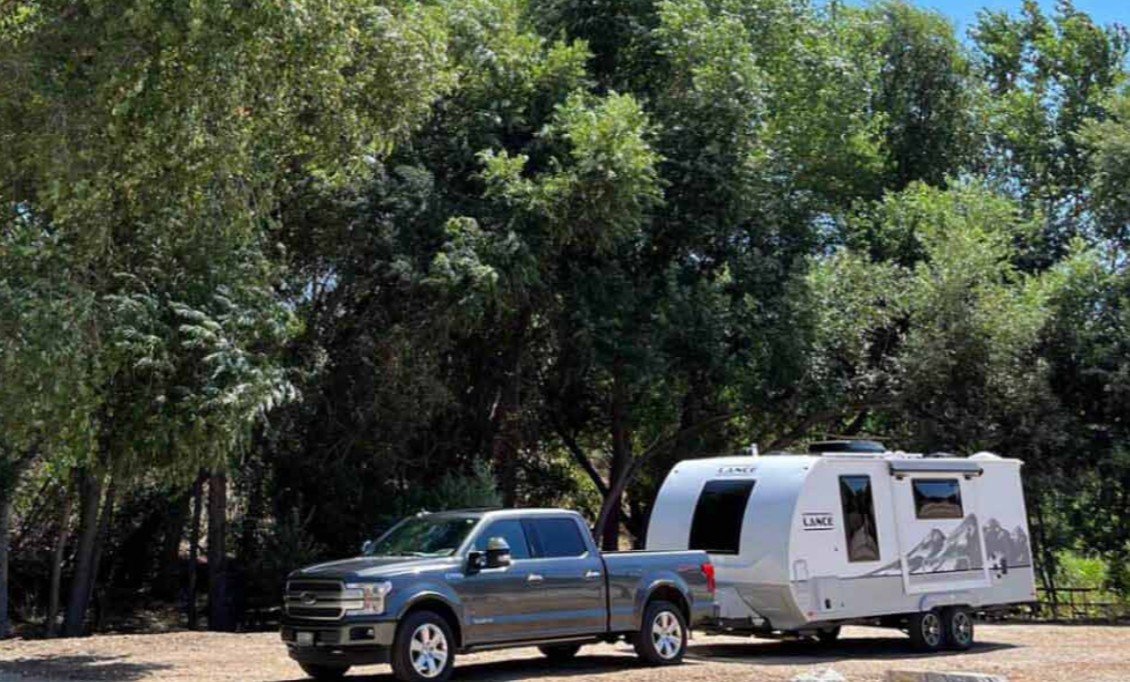
Let's be honest, buying any used RV can feel like a bit of a gamble. But choosing a Lance really tips the odds in your favor. Their reputation wasn't built on splashy ads; it was earned through solid engineering and trailers that are built to last. This isn't just about saving a few bucks—it's about getting your hands on a high-quality rig that holds its value and keeps performing year after year.
While a lot of manufacturers are focused on cranking out as many units as possible, Lance has always been obsessed with how they're built. That dedication to quality is something you can feel when you step inside, and it's a huge benefit when you're buying secondhand. You’re getting a product that was designed for the long haul, not just to look good on the dealer lot.
A History of Building It Right
The company's commitment to quality isn't new; it's baked into their DNA. With a history stretching back over 55 years, Lance Camper Manufacturing has poured decades of know-how into every trailer they build. They brought that expertise to the travel trailer market back in 2009, using tools like Computer-Aided Design (CAD) and CNC machines to cut components with incredible precision. This process doesn't just make for a stronger, tighter trailer; it also cuts down on waste, reinforcing their reputation for building some of the best rigs out there. You can learn more about how Lance's manufacturing experience translates into a better camper.
You can see that precision in the finished product. The cabinets fit perfectly, the seams are clean, and the whole trailer just feels solid, even after it’s seen a few adventures. It's no wonder so many experienced RVers specifically hunt for used Lance trailers.
Genuinely Built for All Four Seasons
One of the biggest draws for a used Lance is its true four-season capability. Plenty of brands slap an "all-weather" sticker on the side, but Lance actually engineers their trailers to handle extreme temperatures, and it makes a huge difference.
Here’s what sets them apart:
-
Ducted Heating: They don't just heat the living space. Warm air is ducted directly into the enclosed and insulated bays that house the holding tanks, water lines, and valves, preventing freeze-ups when the temperature plummets.
-
Azdel Composite Walls: Instead of standard luan wood paneling, Lance uses Azdel. This composite material is 50% lighter, won't rot if it gets wet, and is a fantastic insulator for both temperature and sound.
-
Dual-Pane Windows: This is often an option, but you'll find it on many used models. It's a game-changer for reducing condensation and keeping the inside comfortable whether it's scorching hot or freezing cold outside.
The thing is, this complete approach to insulation means a well-kept used Lance from 2015 can easily outperform a brand-new trailer from a competitor in tough weather. You get the freedom to extend your camping season and travel with confidence.
This focus on all-weather readiness is a massive plus on the used market. You’re not just buying a trailer for perfect summer weekends; you’re investing in a mobile base camp that’s ready for almost any adventure you can throw at it, any time of year. For anyone who wants a dependable and truly versatile RV, a used Lance is often the smartest choice you can make.
How to Choose the Right Lance Model for You
Finding the perfect used Lance trailer isn't about just picking the biggest or fanciest one. It’s about matching the trailer to your unique travel style. Think of it like buying hiking boots: you wouldn't wear heavy-duty mountaineering boots for a casual day hike, and lightweight trail runners won't cut it on a week-long backpacking trip. Lance builds trailers with that same specificity in mind.
Instead of getting bogged down in dozens of floor plan numbers, we can simplify the process. Let's look at the Lance family in two main groups. This approach will help you quickly zero in on the used lance travel trailers that actually fit how you want to explore.
The Weekend Explorer Models
Are you a solo adventurer or a couple who loves to pack up for a spontaneous weekend getaway? Do you value agility, easy towing, and the freedom to squeeze into those coveted, tighter campsites in national parks? If that sounds like you, then you’re a Weekend Explorer, and Lance's smaller, single-axle models were built for you.
These nimble trailers are all about maneuverability. Typically ranging from 14 to 19 feet long, they can be towed by many mid-size SUVs and trucks, which means you probably won't need to buy a massive tow vehicle. Their smaller footprint opens up a whole world of campsites that larger rigs simply can't access.
Popular used models to keep an eye out for in this category include:
-
Lance 1475 & 1575: Often called the ultimate couple's coaches. They're incredibly lightweight and feature clever layouts without a slide-out, which means fewer moving parts and a simpler, more reliable setup.
-
Lance 1685: This one adds a single slide-out, a feature that dramatically opens up the interior living space while keeping the trailer easy to handle on the road.
Don't let their size fool you; these trailers pack a surprising amount of comfort and legendary Lance four-season quality into a compact package. They are the perfect basecamp for adventurers who prioritize the destination and just need a reliable, cozy spot to return to after a long day.
Plus, the financial benefit of buying used is huge. This chart shows just how much value a new RV loses in its first year.
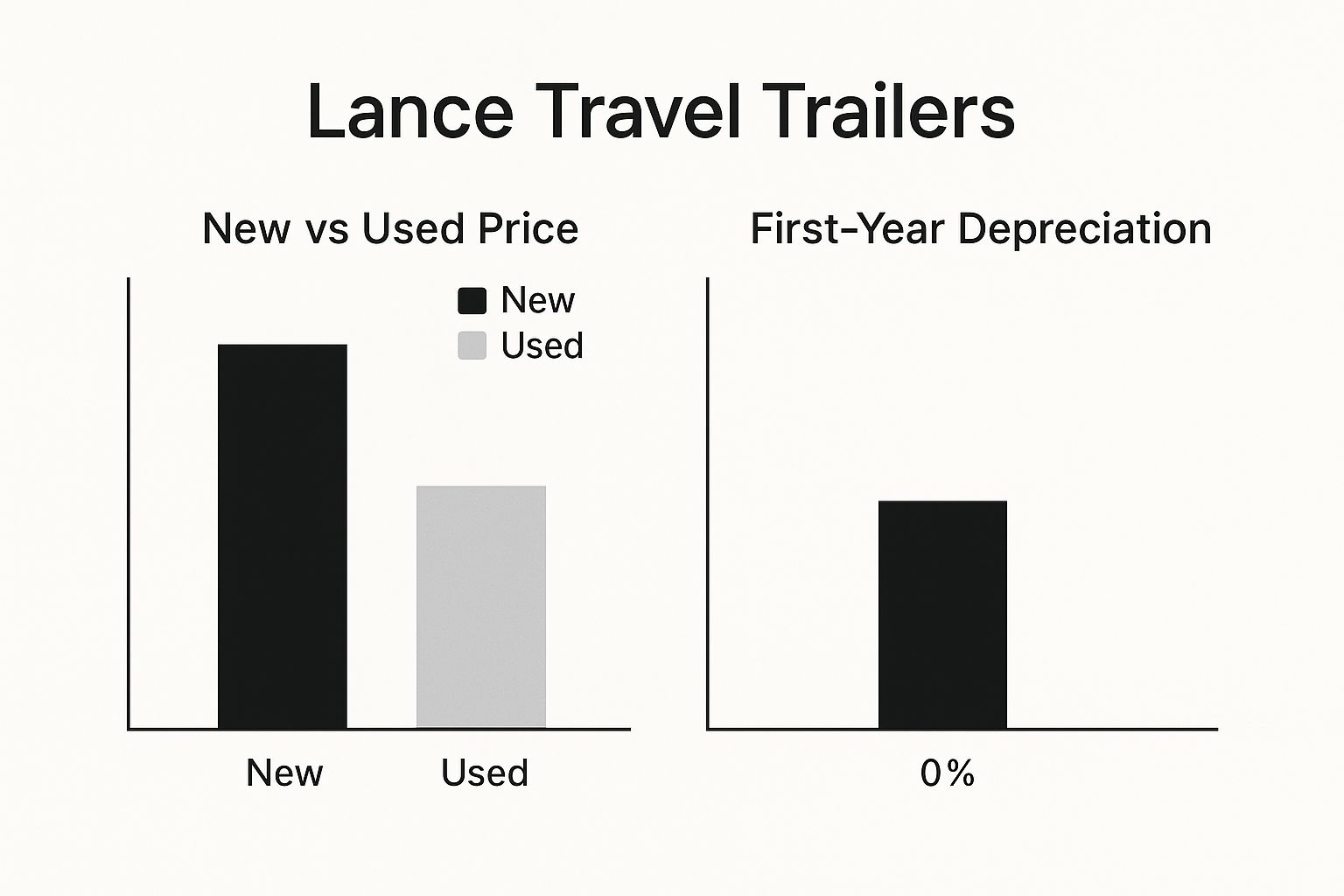
Buying a gently used Lance lets you skip that initial, steep drop in value. It’s a much smarter way to invest in your adventures.
The Cross-Country Voyager Models
If your travel dreams are bigger—we're talking cross-country road trips, extended snowbird seasons, or even living on the road for months at a time—then you're a Cross-Country Voyager. You need more space, more storage, and the kind of robust comfort that makes a trailer feel like a true home on wheels. For you, the answer lies in Lance’s larger, dual-axle trailers.
These models, generally 20 feet and longer, are built for long-haul comfort. The dual-axle design gives them much better stability on the highway and a higher carrying capacity, so you can bring along all the gear you need for longer journeys. Inside, you'll find expansive floor plans with big slide-outs and residential-style amenities that feel less like a camper and more like a small apartment.
Key models to search for in this category are:
-
Lance 1995 & 2185: These are fantastic mid-size options that strike a great balance between interior space and towability. They often feature walk-around queen beds and roomy dinettes perfect for settling in.
-
Lance 2375 & 2465: As the largest trailers Lance builds, these are the pinnacle of comfort. You'll find features like rear lounge areas, multiple slides, and even options for fireplaces or theater seating, making them ideal for full-time or seasonal living.
Choosing a Voyager model is a commitment to interior livability. That extra room for cooking, relaxing, and sleeping makes all the difference during a long trip or on a rainy day when you’re stuck inside. These rigs are truly built to be lived in.
Before you start your search, take some time to compare the different models side-by-side.
Lance Travel Trailer Model Comparison for Used Buyers
This table is a quick-reference guide to help you see how some of the most popular used Lance models stack up against each other.
|
Model Series |
Ideal For |
Approx. Dry Weight (lbs) |
Key Feature Highlight |
|---|---|---|---|
|
1475 / 1575 |
Solo travelers & couples |
2,600 - 2,775 lbs |
Ultralight, no-slide simplicity |
|
1685 |
Couples wanting more space |
3,980 lbs Shop RVs For SaleBrowse current rvs from dealers near you — updated daily. |
Compact footprint with a living room slide-out |
|
1995 |
Families & long-term couples |
4,875 lbs |
Walk-around queen bed and a large U-shaped dinette |
|
2375 |
Full-timers & snowbirds |
5,855 lbs |
Rear lounge with big windows, very residential feel |
Looking at the numbers this way really helps clarify which trailer aligns with your towing capacity and lifestyle. Ultimately, the right choice boils down to being honest about your needs. Think about your typical trip length, your tow vehicle's limits, and how much "stuff" you really need to bring. By first figuring out if you're a Weekend Explorer or a Cross-Country Voyager, you can focus your search and find the perfect used Lance to start making memories.
Your Essential Pre-Purchase Inspection Checklist
Walking up to a used Lance travel trailer can stir up a mix of excitement and nerves. You've done your homework, but now it's time to get hands-on. Don't think of this as a test. Instead, think of it as a conversation with the trailer—you're trying to understand its story and see if it’s ready for a new chapter with you.
This checklist is your guide for that conversation. I’ve broken it down into the four most critical areas you need to examine. Going through this step-by-step will turn you from a hopeful buyer into a confident one, someone who knows how to spot a well-cared-for gem and walk away from a potential money pit.
Checking the Exterior Shell
The first thing to do is size up the trailer’s first line of defense: its exterior. Start by standing back about 15 feet and just looking down the sides. Are the fiberglass walls straight and smooth?
What you’re hunting for are any ripples, waves, or bubbles in that fiberglass siding. This is a tell-tale sign of delamination, which happens when the outer fiberglass layer pulls away from the material underneath. Sometimes your hands can find what your eyes miss, so run your palm flat along the walls to feel for subtle imperfections.
Now, get up close and personal with all the sealant. Every single window, vent, door, and roof fixture is a potential leak waiting to happen.
-
Sealant Condition: The sealant should feel pliable, not dry and chalky. Look for cracks or anywhere it's pulling away from the trailer body. Pay extra close attention to the roof seams—they take the brunt of the weather.
-
Decals and Graphics: Are the decals cracked or peeling? While this is mostly cosmetic, graphics that are totally shot can mean the trailer has been sitting out, baking in the sun for years without much attention.
-
Awnings: You need to roll every awning all the way out and back in. Check the fabric for any rips, mildew, or mold. Just as importantly, make sure the arms and mechanisms operate smoothly without any horrible grinding noises.
A well-maintained exterior is more than just about looking good. It's a huge clue that the previous owner was on top of preventive maintenance—a fantastic sign for the trailer's overall health.
Inspecting the Chassis and Tires
Alright, time to look underneath. The chassis is the trailer's skeleton, so don't be shy about getting down on the ground with a good flashlight for this part.
Start with the frame itself. You’re looking for serious rust, especially around the welds and where the A-frame connects to the main trailer body. A little surface rust is normal and usually no big deal, but deep, flaky rust could point to a structural issue. Make sure the frame is straight, with no weird bends or cracks from a past accident.
Tires are one of your most important safety checks, and they tell a story all their own.
-
Check the Date Code: On the tire's sidewall, find the four-digit DOT code (for example, "2521"). This little number tells you the tire was made in the 25th week of 2021. RV tires have a shelf life; they should be replaced every five to seven years, no matter how much tread is left.
-
Inspect for Cracks: Look very closely at the sidewalls for a web of tiny cracks. This is called "weather checking," and it’s caused by age and sun exposure. If you see it, the tires are toast.
-
Examine the Tread: Is the tread worn evenly? If you see heavy wear on just the inside or outside edges, it could signal an axle alignment problem, which is not a cheap fix.
Evaluating the Interior Systems
Step inside and take a good whiff. Does it smell clean, or do you get a hint of must and dampness? Your nose is one of your best tools for sniffing out hidden water damage. Now, it's time to touch everything. Never assume something works—verify it yourself.
Ask the owner to plug the trailer into shore power and hook up the city water. If that’s not an option, at least make sure the battery is charged and there's some water in the freshwater tank.
-
Appliances: Fire everything up. Turn on the fridge (test it on both gas and electric), the furnace, the A/C, and the water heater. Don't just flip them on and off; let them run long enough to get cold or hot.
-
Plumbing: Switch on the water pump. It should pressurize the system quickly and then shut off. If it keeps kicking on and off when no faucets are open, you've got a leak somewhere. Run water through every faucet and check for drips under all the sinks.
-
Electrical System: Flip every single light switch and test every outlet. Look at the main control panel—is the battery charging properly? Do the tank level sensors seem to work?
The global RV market, which includes premium brands like Lance, was valued at roughly USD 56.35 billion in 2024. A trailer with functional, reliable systems holds its value far better than one with problems. You can learn more about the industry with these RV manufacturer market share insights.
Hunting for Water Damage
This is the big one. Water is the absolute number one enemy of any RV, so for this final step, you need to be a detective. Water damage loves to hide, so you have to know where to look.
Start by checking the corners of the ceiling and the floor, especially at the very front and back of the trailer. Look for any discoloration, staining, or soft spots on the wall panels or ceiling. Now, walk around and press firmly on the floor, especially around the slide-out, near the entry door, and in the bathroom. Any squishiness or sponginess is a huge red flag.
Finally, open every single cabinet, closet, and storage bay. Get your flashlight in there and inspect the corners and seams. Pay extra attention to the areas directly under windows and inside the front pass-through storage compartment—these are notorious trouble spots. A meticulous inspection here will give you the confidence you need to make a smart buy.
How to Determine a Fair Price for a Used Lance
Figuring out what a used Lance is really worth isn't as simple as looking up a number. It’s a lot like appraising a house—the final value hinges on its age, condition, upgrades, and even what the market looks like in your specific area. When you understand what drives the price up or down, you can walk into a negotiation feeling confident you know what that trailer should sell for.
Think of it as starting with a baseline price and then making adjustments. The trailer's model year and floor plan set the stage. A newer model with a sought-after layout like the 1995 will naturally have a higher starting price than a decade-old trailer with a less popular design. This is your foundation, and from here, you start digging into the details.
Establishing Your Baseline Value
First things first, you need a ballpark number. The industry's go-to resource is the NADA Guides. This is essentially the Kelley Blue Book for the RV world, giving you standardized wholesale and retail values for almost every model out there. It’s a solid, unbiased starting point that dealers and banks rely on.
But the NADA value is just that—a starting point. It can't tell you anything about the trailer’s actual condition or what people are paying in your neck of the woods. For that, you have to put on your detective hat.
Spend some time browsing listings on sites like Searchshop RVs, RV Trader, and even Facebook Marketplace. Zero in on the specific Lance models you’re considering from a similar year. Pay close attention to what sellers are asking for in your region, as prices can swing wildly from one state to another. This research gives you a powerful snapshot of what the real-world market for used Lance travel trailers looks like right now.
Adjusting for Condition and Features
This is where that pre-purchase inspection you did really starts to pay for itself. Every single issue you found—from a bit of cracked sealant to tires that are past their prime—is a potential negotiating point. These aren't just minor blemishes; they represent real dollars you’ll have to spend to get the trailer in shape.
On the flip side, certain features and upgrades can add serious value, while a lack of them can bring the price down.
-
Slide-Outs: A trailer with a slide-out is almost always worth more than the same model without one. That extra living space is a huge selling point.
-
Four-Season Packages: Things like an enclosed underbelly and dual-pane windows are in high demand and can easily command a premium.
-
Solar and Off-Grid Setups: A professionally installed solar system with a good battery bank can add thousands to a trailer's value, especially for buyers who love to boondock.
-
Maintenance Records: A seller who hands you a thick folder of service records is offering more than just paper; they're offering peace of mind. That documented care justifies a higher price.
A trailer’s value is a story told by its condition. A pristine, garage-kept unit with detailed maintenance logs is worth far more than a neglected one, even if they are the same year and model.
Making a Confident Offer
Okay, you've done your homework. You have your NADA baseline, you know what similar trailers are listed for, and you have a detailed inspection report in hand. Now you’re ready to put together a fair offer.
Start with the average asking price you found for similar models in your area. From there, begin subtracting the estimated cost for any repairs you know are needed.
If the tires are six years old, deduct what a new set will cost. If the awning fabric is ripped, get a quick quote for a replacement and factor that in. This isn't about lowballing; it's a data-driven approach that takes emotion out of the equation. You’re not just saying, "I think it's worth less." You're showing why it's worth less, based on tangible facts. This immediately positions you as a serious, knowledgeable buyer and makes it much easier to land on a price that’s fair for everyone.
Alright, you've figured out which Lance model you're after and you have a solid idea of what you should pay. Now comes the fun part: the hunt. Finding the perfect used Lance travel trailer means knowing where to look, and each place has its pros and cons.
Your search will really boil down to two main avenues: buying from a private seller or going through an RV dealership. It’s a lot like buying a used car. You can often get a better price from an individual, but a dealership offers a layer of security you just can't get otherwise. There's no right or wrong answer—it just depends on what you're comfortable with.
Private Sellers vs. RV Dealerships
Going the private seller route can land you a fantastic deal. You're talking directly to the person who used it, who can tell you all about its quirks, its maintenance history, and the adventures it’s been on. You get the whole story. The catch? You're on your own.
-
The upside of private sales: You’ll almost always find lower prices. Plus, you’re often buying from another RV enthusiast who genuinely cared for their rig.
-
The downside: Every sale is "as-is." Once you hand over the cash, it’s yours, problems and all. There's no warranty and no one to call if something goes wrong a week later.
On the flip side, buying from a reputable RV dealership is your safety net. Most dealers will inspect, service, and clean up their used inventory before putting it on the lot. Many will even offer a limited warranty and can sort out all the financing and paperwork for you, which is a huge time-saver.
-
The upside of dealerships: You get peace of mind. A warranty, professional servicing, and help with financing and registration can make the whole process a breeze.
-
The downside: You’ll pay for that convenience. Prices are always higher to cover their costs and, of course, their profit.
Ultimately, choosing between a private seller and a dealership comes down to a trade-off between risk and budget. If you know what to look for and feel confident doing your own thorough inspection, a private sale could save you thousands. If you'd rather have a guarantee, the extra cost at a dealership might be well worth it.
Navigating Online Marketplaces
No matter who you decide to buy from, your search is almost guaranteed to start online. Sites like Searchshop RVs, RV Trader, and even Facebook Marketplace are the new hubs for connecting buyers and sellers.
These platforms are great tools, but you need to be smart about using them. If a deal looks too good to be true, it probably is. I always look for listings with lots of clear photos from every angle and a detailed, honest-sounding description. When you reach out, ask specific questions. If a seller gets defensive or tries to rush you into a decision, just walk away. Trust your gut.
This diligence is more important than ever. The entire RV market is booming, especially in niches like truck campers where Lance is a huge name. In fact, the pop-up truck camper market is expected to grow at a 7% CAGR and hit nearly USD 900 million by 2033, all thanks to more people wanting to get outdoors. You can read the full research about pop-up truck camper market trends if you want to geek out on the industry data. With so many new buyers out there, patience and a sharp eye are your best assets for finding a great used Lance.
Securing Financing and Insurance for Your Trailer
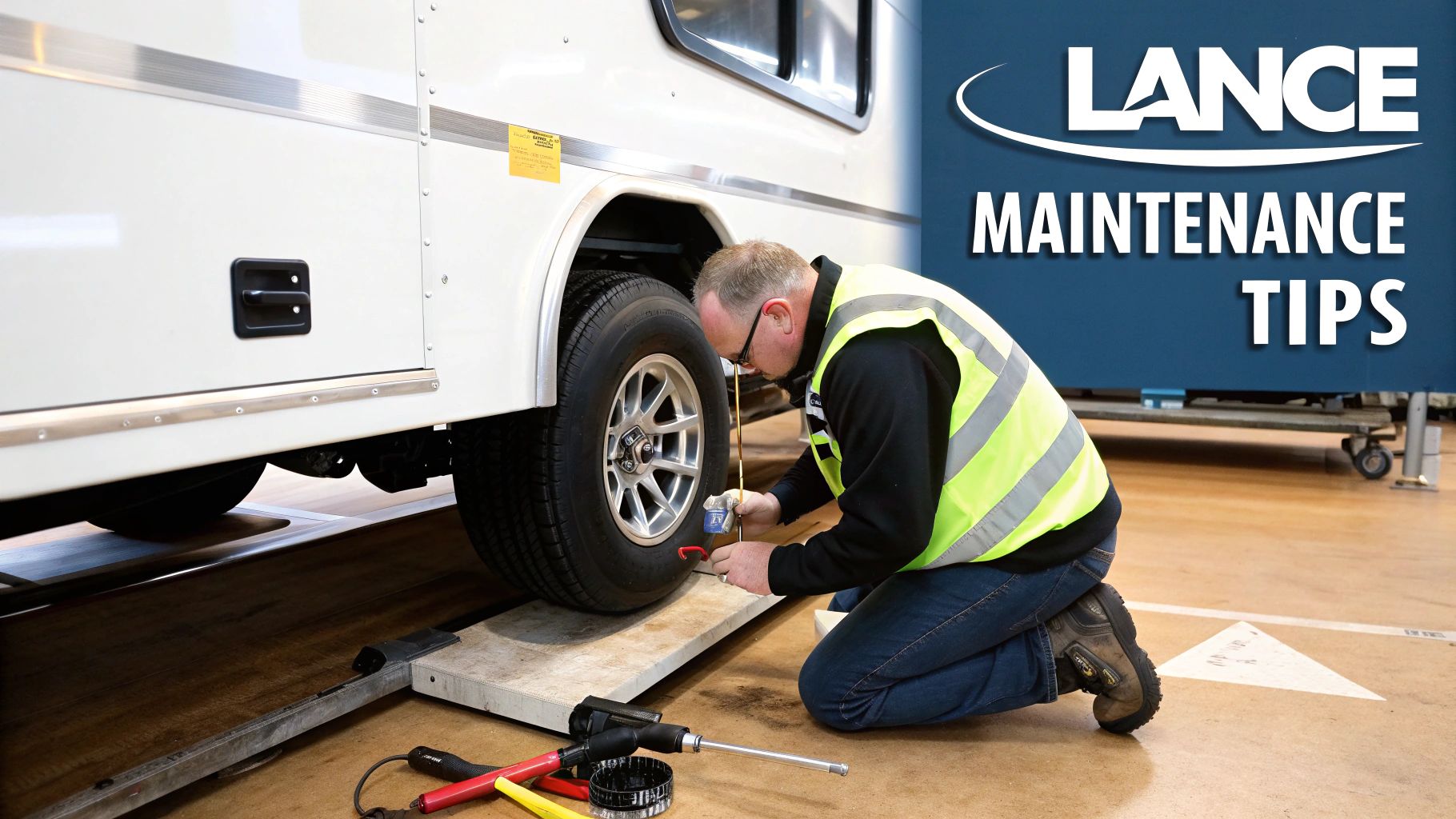
Alright, you've found the perfect used Lance trailer. Now comes the part that makes it officially yours: sorting out the financing and getting it insured. This might sound like a hassle, but it’s actually pretty straightforward once you know that RVs play by a slightly different set of rules than your daily driver.
Think of financing a travel trailer less like a car loan and more like a mini-mortgage. Lenders often treat them as a second home, which is great news for you. It means you can often secure much longer loan terms—think 10 to 15 years—which keeps the monthly payments comfortably low. This simple difference makes owning a high-quality trailer much more attainable.
Finding the Right RV Loan
You could just walk into your regular bank, but you’ll probably get a better deal by talking to lenders who specialize in recreational vehicles. They get the long-term value of a well-maintained Lance and are set up to offer more competitive terms.
Here’s where I’d start looking:
-
Specialized RV Lenders: Companies like Good Sam or Essex Credit Solutions are experts in this space. They have a whole network of banks they work with, which means they do the rate shopping for you.
-
Local Credit Unions: Don't sleep on your local credit union! Because they're member-owned, they often have some of the best interest rates you'll find anywhere, plus you get that friendly, personal touch.
Pro Tip: Get pre-approved for your loan before you even make an offer. When you show up with financing already locked in, the seller sees you as a cash buyer. That gives you some serious bargaining power to get the best price.
Protecting Your Investment with RV Insurance
Once the deal is done, you absolutely need to insure it. Your standard auto policy won't cover a travel trailer, so you’ll need a dedicated RV insurance policy. This is a hybrid coverage that understands your trailer is both a vehicle you tow and a place you live in.
A solid policy for your Lance should have a few key components:
-
Liability Coverage: This is the big one. It protects you financially if someone gets hurt or you damage their property in an accident involving your trailer.
-
Comprehensive & Collision: Covers the physical trailer itself against damage from a crash, theft, fire, a falling tree—you name it.
-
Personal Contents Coverage: This is crucial. It reimburses you if your personal stuff inside the trailer—camping gear, laptops, clothes—gets stolen or damaged.
-
Vacation Liability: Provides protection if a guest gets injured at your campsite or just hanging out inside your parked trailer.
Lining up your financing and insurance isn't just the last box to check. It's what lets you relax and enjoy your investment. By getting the right loan and a solid policy, you can hit the road on day one knowing your new-to-you Lance is protected and your finances are in great shape.
Answering Your Top Questions About Used Lance Trailers
As you start narrowing down your options, you'll probably have a few lingering questions. Getting straight answers to these common queries can give you that last bit of confidence you need to pull the trigger. Let's dig into what most people want to know.
Are Older Lance Trailers Really Built for All Four Seasons?
Absolutely, and this is one of the biggest reasons people hunt for them. Many RV brands just slap some heating pads on the tanks and call it a day. Lance, on the other hand, builds their trailers for cold weather right from the start.
They use a ducted heating system that pushes warm air right into the enclosed and insulated underbelly. This design is crucial for protecting your tanks, water lines, and dump valves from freezing up. Combine that with their Azdel composite walls for better ins