
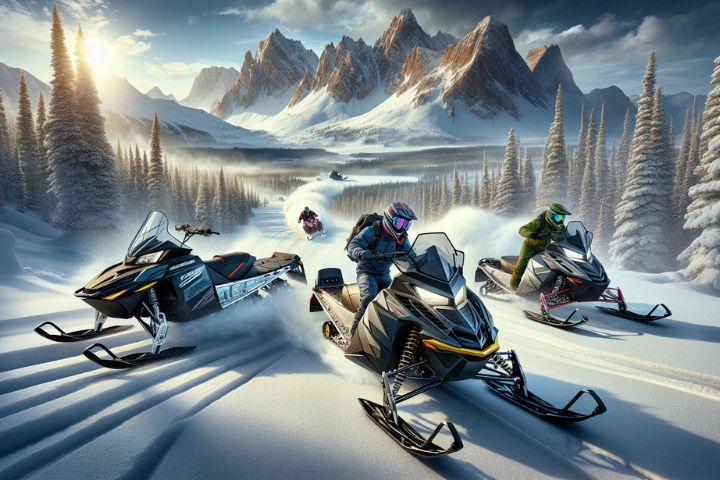
Snowmobiles have become an essential part of winter recreation and utility, offering thrilling adventures and practical solutions in snowy terrains. These versatile vehicles come in various types, each designed to meet specific needs and preferences. Understanding the different types of snowmobiles helps enthusiasts and professionals alike choose the right machine for their intended use, whether it's cruising through trails, conquering mountain slopes, or hauling equipment in harsh winter conditions.
This article delves into the world of snowmobiles, exploring the main categories and their unique features. From comfortable touring models built for long-distance rides to rugged utility snowmobiles made for work in challenging environments, we'll cover the key characteristics of each type. We'll also look at crossover snowmobiles, which blend elements from different categories to provide a versatile riding experience. By the end of this guide, readers will have a clear understanding of the various snowmobile types available and be better equipped to choose the right one for their needs.
Touring Snowmobiles: Comfort for Long Rides
Touring snowmobiles are engineered for ergonomics, providing riders with enhanced comfort for extended trips or full days on the trail. These sleds are designed to operate in rougher conditions than their trail sled counterparts, featuring longer tracks for a smoother ride and more powerful suspension systems to support the additional weight.
Passenger Capacity
One of the key features of touring snowmobiles is their ability to accommodate two riders comfortably. These machines typically have a larger passenger capacity, allowing enthusiasts to bring a friend or family member for the journey. The Riot 400 Touring, for example, is built to seat two people comfortably, with dual overload springs that increase the sled's carrying capacity and provide extra support for a second rider.
Comfort Features
Touring snowmobiles come equipped with a range of comfort features to ensure a pleasant riding experience, even in the coldest conditions. These features include: