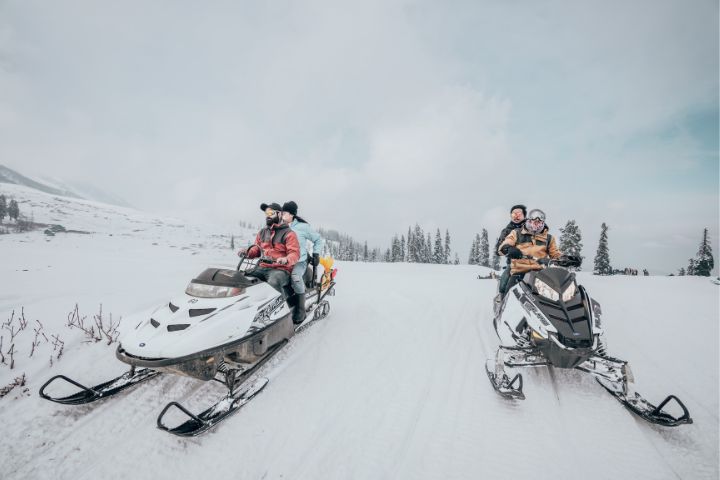
Winter enthusiasts, we know the thrill of gliding across pristine snow-covered landscapes. That's why we're diving into the world of snowmobile comparison to help you find the perfect ride for your adventures. Whether you're a seasoned pro or a newbie to the sport, choosing the right snowmobile has a huge impact on your experience and safety on the trails.
We'll break down the different snowmobile types, from trail-blazing machines to utility workhorses. Our guide will walk you through key features to consider, helping you weigh factors like engine power, suspension, and comfort. We'll also look at budget considerations and compare top brands like Polaris. By the end, you'll have all the info you need to make an informed decision and choose the best snowmobile for your needs and riding style.
TYPES OF SNOWMOBILES
When it comes to snowmobile comparison, understanding the different types available is crucial. We'll break down the main categories to help you choose the best model for your needs.
Trail Snowmobiles
Trail snowmobiles are perfect for beginners and those who stick to groomed paths. These lightweight machines offer a smooth riding experience and are designed for efficiency. With engines ranging from 400cc to 300hp turbo 4-stroke motors, trail snowmobiles provide enough power for enjoyable rides without overwhelming new riders. Their shorter tracks, typically 120-137 inches long with lug heights of 0.91-1.5 inches, make them nimble and easy to handle on well-maintained trails.
Mountain Snowmobiles
Shop Snowmobiles For Sale
Browse current snowmobiles from dealers near you — updated daily.
For those seeking high-altitude adventures, mountain snowmobiles are the way to go. These machines are built to tackle deep snow and steep terrains. They feature longer tracks, usually 146 inches or more, with lug heights between 2-3 inches, providing excellent flotation in powder. Mountain snowmobiles have powerful engines, typically 600cc and up, to compensate for the power loss at higher elevations. Their narrow body and increased agility make them ideal for navigating challenging mountainous landscapes.
Crossover Snowmobiles
Crossover snowmobiles offer the best of both worlds, combining features from trail and mountain sleds. These versatile machines are perfect for riders who enjoy a mix of on-trail and off-trail experiences. Crossovers typically have track lengths between 137-146 inches and lug heights of 1.25-2 inches, allowing them to handle various snow conditions. With powerful engines and advanced suspension systems, these snowmobiles provide a smooth ride on groomed trails and excellent performance in deeper snow.
Utility Snowmobiles
Utility snowmobiles are the workhorses of the snowmobile world. These machines are designed for heavy-duty tasks like hauling supplies, transporting equipment, and grooming trails. They feature wider tracks for increased stability and traction, along with robust frames to handle heavy loads. Utility snowmobiles often have lower top speeds but excel in towing capacity and durability. Some models can even tow up to 1500 lb. (680 kg) when equipped with a heavy-duty bumper and hitch.
KEY FEATURES TO CONSIDER
When comparing snowmobiles, we need to look at several key features that can make or break your riding experience. Let's dive into the most important aspects to consider.
Engine Type and Power
The heart of any snowmobile is its engine, and we have two main types to choose from: two-stroke and four-stroke. Two-stroke engines are known for their high-revving capabilities and raw power. They're lighter and more nimble, making them perfect for those who want a thrilling ride. On the flip side, four-stroke engines offer better fuel efficiency and reliability. They're smoother and quieter, but they come with added weight.
When it comes to power, snowmobile engines range from 40hp to 200hp. The choice depends on your riding style and experience level. For beginners, a lower horsepower option might be more manageable, while experienced riders might prefer the adrenaline rush of a high-powered machine.