
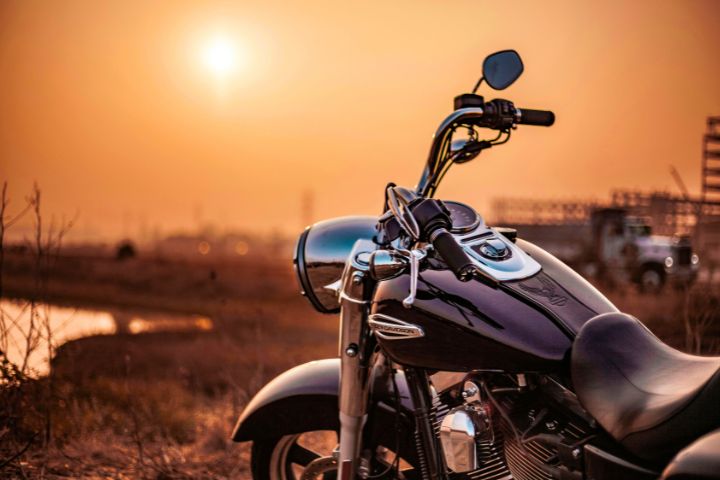
Motorcycle enthusiasts know that choosing the right bike goes beyond its sleek appearance. Understanding essential motorcycle features is crucial for both new riders selecting their first motorbike and experienced bikers looking to upgrade. From engine size to safety technology, these features have a significant influence on the overall riding experience, performance, and safety.
This article delves into the key motorcycle features every rider should be aware of. It covers important aspects such as engine types, weight and handling characteristics, braking systems, suspension quality, and ergonomics. By exploring these elements, readers will gain valuable insights to help them make informed decisions when choosing a motorcycle or to better understand the capabilities of their current ride.
ENGINE SIZE AND TYPE
Engine size and type are crucial factors in determining a motorcycle's performance, efficiency, and overall riding experience. Understanding these aspects helps riders make informed decisions when choosing a motorcycle that suits their needs and preferences.
Engine Size Considerations
Engine size, measured in cubic centimeters (CC), indicates the engine's displacement and has a significant influence on a motorcycle's power output. Larger engines generally produce more power, with sizes ranging from 50cc to over 2000cc. The engine capacity, determined by cylinder dimensions, typically correlates with increased power. However, it's important to note that a larger engine size also affects fuel efficiency, weight, handling, and maintenance costs.
For beginners, motorcycles with engine sizes between 250cc and 400cc are often recommended, as they offer smooth acceleration and better control. More experienced riders may opt for engines from 650cc to 1200cc for enhanced performance. Touring motorcycles commonly feature engines in the 1000cc to 1800cc range, providing ample power for long-distance rides.