By Searchshop Editorial Team14 min readSeptember 23, 2024Updated January 2, 2026
Some links in this article are affiliate links. If you buy through them, Searchshop may earn a commission at no extra cost to you. Learn how this works.
Buying a used motorcycle can be an exciting yet daunting experience. Knowing what to check when buying a used motorcycle is crucial to ensure you're making a smart investment and not inheriting someone else's problems. From inspecting the exterior to evaluating the engine, there are several key aspects to consider before making a purchase.
This guide will walk you through the essential steps to inspect a motorcycle and provide a comprehensive motorcycle inspection checklist. We'll cover how to examine the frame, body, and tires, assess the engine and mechanical components, check the electrical systems, review documentation, and conduct a test ride. By following these tips for buying a used motorcycle, you'll be better equipped to make an informed decision and find a reliable pre-owned ride.
Exterior Inspection: Frame, Body, and Tires
When inspecting a used motorcycle, the exterior examination is crucial. Start by checking the frame for any signs of damage, such as cracks or dents, especially in joint welds and areas where accessories are mounted. Look for evidence of accidents or repairs, like misaligned body panels or gaps that might indicate bodywork. Inspect the body for scratches, dents, or rust spots, which could hint at the bike's overall condition and maintenance history.
Tires are another critical component to evaluate. Check the tire pressure and inspect the tread for wear. Most tires have wear indicators that appear when replacement is needed. Examine the tires for uneven wear, which might suggest wheel misalignment or other issues. Also, assess the age of the tires, as rubber deteriorates over time, even if the tread looks good. Tires older than five years should be replaced, regardless of their appearance.
Engine and Mechanical Components
Shop Motorcycles For Sale
Browse current motorcycles from dealers near you — updated daily.
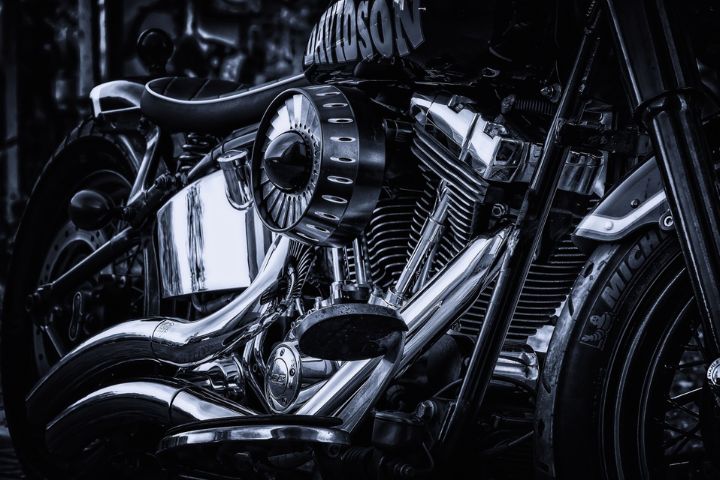
When evaluating a used motorcycle, inspecting the engine and mechanical components is crucial. Start by examining the engine for any signs of oil leaks, especially around gaskets and seals. Check the exhaust pipes for rust or damage. Listen for unusual sounds like knocking or excessive noise when starting the engine. The color of the exhaust smoke can also provide insights; blue smoke might indicate oil burning, while white smoke could suggest coolant leaks.
Operate the clutch lever and shift through all gears, either on a center stand or during a test ride. The clutch should engage smoothly without slipping or sticking. Difficulty in shifting gears or grinding noises could point to transmission issues. Inspect the clutch cable for fraying or wear.
It's also important to check fluid levels, including engine oil, coolant, and transmission fluid. Look for any signs of fluid leaks on gaskets, seals, and hoses. These checks will help ensure you're making a smart investment when buying a used motorcycle.
Electrical Systems and Documentation
When inspecting a used motorcycle, checking the electrical systems and documentation is crucial. Start by examining the battery, ensuring it's in good condition and holds a charge. Test the headlights, turn signals, and brake lights to verify they're functioning properly. Inspect the wiring harness for any signs of damage or improper modifications.
Documentation is equally important when buying a used motorcycle. Request to see the original OR (Official Receipt) and CR (Certificate of Registration), which are essential documents for any motor vehicle. These papers contain vital information about the motorcycle, including its make, model, and ownership history. Cross-check the details on the paperwork with the chassis number and engine number on the actual motorcycle to ensure consistency.
Additionally, ask for valid government-issued IDs from the seller and verify that the name and address match the information on the OR/CR. This helps prevent potential fraud and ensures a smooth ownership transfer process.
Test Ride and Final Considerations
Evaluating a pre-owned motorcycle requires thorough inspection and careful consideration. By examining the exterior, engine, mechanical components, electrical systems, and documentation, buyers can make an informed decision. This process has a significant impact on ensuring the purchase of a reliable and well-maintained motorcycle, potentially saving time and money in the long run.
To wrap up, the tips provided in this guide serve as a roadmap to assess a used motorcycle effectively. From checking the frame and tires to analyzing the engine's performance and verifying crucial documents, each step plays a vital role in the evaluation process. By following these guidelines, potential buyers can approach their purchase with confidence, increasing their chances of finding a great pre-owned motorcycle that meets their needs and expectations.
SE
Written by
Searchshop Editorial Team
Vehicle research & buying-guide team
The Searchshop editorial team researches and writes buying guides, model reviews, and category roundups across RVs, boats, motorcycles, ATVs, autos, and snowmobiles. We combine hands-on product research, live dealer inventory data, and manufacturer specifications to help buyers make confident decisions.
Reviewed by Searchshop Review Board — credentialed industry professionals.