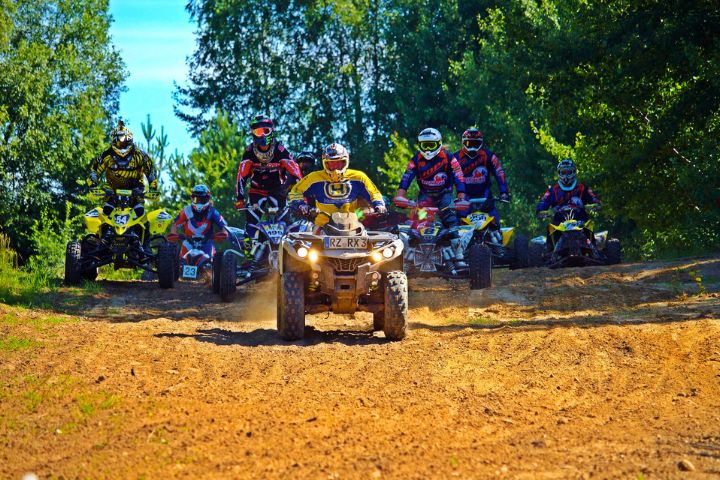
Buying a used ATV can be an exciting yet challenging endeavor. For m\any outdoor enthusiasts and adventure seekers, a pre-owned all-terrain vehicle offers an affordable way to explore rugged landscapes and enjoy off-road thrills. However, the process requires careful consideration and attention to detail for a wise investment.
When buying a used ATV, buyers need to be aware of several key factors that can affect their purchase decision. This buying used ATV checklist provides a comprehensive guide on what to look for when buying a used ATV, covering fundamental aspects such as exterior inspection, engine and drivetrain evaluation, and performance assessment.
By following thischecklist, potential buyers can make an informed choice and find a reliable ATV that meets their needs and expectations.
When buying a used ATV, a thorough inspection of the vehicle's exterior is important. This step helps buyers identify potential issues and assess the overall condition of the ATV. Here's what to look for:
A visual inspection of the ATV's exterior can reveal a lot about its history and maintenance. While some wear and tear are expected on off-road vehicles, buyers should be cautious of significant damage.
Minor scratches and dings are common, but deep scratches or cracked plastic bodywork may indicate harder use. However, these cosmetic issues might be acceptable if the underbody remains unaffected.
More concerning are the signs of serious damage. Buyers should examine components like A-arms, trailing arms, and tie rods for bends or misshapen parts. If these have been replaced, it's important to inquire about the reason and who performed the work.
Tires play a huge role in an ATV's performance and safety. Inspect the tread depth, which affects traction and braking ability. Look for signs of excessive wear, especially on newer ATVs, as this could indicate hard use.
Check for any cracks, bulges, or signs of dry rot in the tires. The type of tires fitted can also provide insights into the ATV's usage. Mud tires, airless tires, or larger street-legal tires affect performance differently. Consider whether the current tires match your intended use and terrain.
A thorough examination of the frame and chassis is essential to make sure that the ATV's structural integrity. Look for any evidence of frame damage, such as bent or cracked steelwork, particularly in the shock tower areas. These could indicate that the ATV for sale has had a hard life.
Inspect the underbody for signs of contact with rocks or other obstacles. If the ATV sits crooked or leans on a flat surface, it may suggest chassis deformation. Rust is another concern, especially on older models. While some surface rust might be normal, extensive corrosion, particularly higher up on the frame, can be a red flag.
Lastly, check the condition of ball joints, rotating joints, and the rear differential for any signs of wear or play. These components are important for the ATV's proper functioning and safety.
By carefully inspecting these exterior elements, buyers can make a more informed decision when purchasing a used ATV for sale. Remember, a well-maintained machine with minimal damage is ideal, even when searching for a budget-friendly option.
When evaluating a used ATV's engine and drivetrain, buyers should pay close attention to several key aspects. This thorough inspection can reveal potential issues and share insights into the vehicle's overall condition and maintenance history.
Starting the ATV and listening to unusual noises is important. Some ATVs may produce a ticking or tapping noise upon startup, which could be normal for certain models. This noise often diminishes as the engine warms up.
However, if the sound persists or seems abnormal, it may indicate potential issues in the ATV. In some cases, a loud tapping noise at startup that fades as the engine warms up could be due to thick oil in cold temperatures.
This occurs because thicker oil takes longer to reach the valvetrain, causing temporary metal-to-metal contact. Switching to a lower-viscosity oil for winter use might help alleviate this issue.
Inspecting fluids and checking for leaks is essential. Buyers should:
-
Check the oil level while the engine is off.
-
Look for any oil leaks around the engine.
-
Make sure the gas tank is full and check for fuel leaks.
-
Examine the drive shaft for leaks and proper lubricant levels.
It's important to note that overfilling the oil can cause leaks or lead to oil entering the airbox. Maintaining the correct oil level, often at the lower mark of the dipstick, can help prevent these issues.
The air filter and exhaust system play huge roles in an ATV's performance. Buyers should:
-
Make sure the air filter is clean, undamaged, and unobstructed.
-
Check that the spark arrestor/muffler is firmly attached and functioning correctly.
A missing air box cover can lead to poor performance and allow oil spray from the crankcase vent to accumulate in the air box. If the ATV lacks an air box cover, it's advisable to find a suitable replacement.
By thoroughly evaluating these aspects of the engine and drivetrain, buyers can make a more informed decision when purchasing a used ATV. Remember that some issues may require professional inspection or repair, and it's always wise to consult with an experienced mechanic if any concerns arise during the evaluation process.
When test-riding a used ATV, evaluating the steering and handling is crucial. Buyers should pay close attention to the ATV's behavior during turns and on different terrains. A properly functioning steering system should share smooth and responsive control.
One important aspect to check is the presence of a bumpsteer. Bumpsteer occurs when the wheels steer themselves without input from the handlebars as the suspension moves up and down over terrain. This issue can be caused by improper location of steering linkages, such as tie rods and tie rod ends.
Buyers should also assess the ATV's castor and camber settings. Positive castor, where the lower ball joint is further forward than the upper, makes the quad more stable at speed. Negative camber, where the top of the wheel points towards the frame, is commonly used in ATVs to improve cornering performance.
Testing the brakes is important for safety. Buyers should check both the front and rear brakes separately. For example, on some ATVs, the front brake lever controls the right side of the rear brake.
If the rear brake pedal barely pushes any fluid through, it could indicate a problem with the master cylinder. Suspension performance is another critical factor. Buyers should test the ATV on various terrains to assess how well the suspension handles bumps and absorbsshocks.
Pay attention to any unusual noises or excessive bouncing, which could indicate worn-out shocks or other suspension components.
A thorough inspection of the ATV's electrical system is important. Start by checking the battery's charging capability. A stator, which functions like an alternator in a car, charges the ATV's battery. If the battery isn't charging, it could indicate a faulty stator.
To test the stator, use a multimeter set to AC voltage while the engine is running. This dynamic test can help identify any issues with the charging system.
Additionally, inspect other electrical components such as lights, ignition, and any accessories to make sure that they are functioning correctly.
By carefully evaluating these aspects during a test ride, buyers can make a more informed decision when purchasing a used ATV. Remember, if any concerns arise during the assessment, it's advisable to consult with a professional mechanic before finalizing the purchase.
Looking tosell your used ATV? Get top value and connect with serious buyers quickly. List your car today and make selling easy here at Searchshop!
Buying a used ATV is a task that calls for careful thought and a keen eye. This guide has shed light on the key areas to consider, from checking the exterior for signs of wear and tear to evaluating the engine's performance.
By following this checklist, potential buyers can better gauge the condition of a used ATV and make a more informed decision. In the end, the goal is to find a reliable machine that fits your needs and budget.
While this guide offers a solid starting point, it's always a good idea to bring along someone with ATV experience or to have a mechanic take a look before sealing the deal. With the right approach, you can snag a great used ATV that will share years of off-road fun and adventure.